 🎧
🎧
Finance
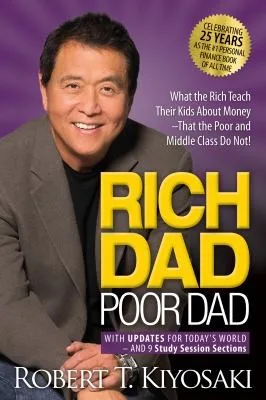
Rich Dad Poor Dad
0 reviews
View →

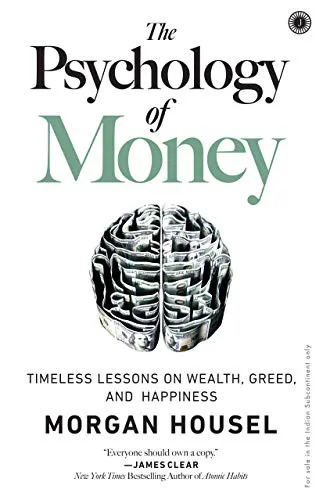
Affiliate link — we may earn a commission at no extra cost to you.
Most finance audiobooks fail in audio because they drown you in numbers you cannot see. The Psychology of Money is the opposite: it is a book about behaviour told through stories, which makes it one of the most naturally listenable finance titles we have reviewed.
Morgan Housel's argument is disarmingly simple: doing well with money has far less to do with intelligence than with behaviour — and behaviour is hard to teach. Across twenty short chapters he shows why a janitor can die a multimillionaire while a Harvard-educated executive goes broke, why "enough" is the most underrated word in finance, and why saving is more powerful than any hot investment tip. There are almost no formulas in this book, and that is exactly the point.
Hill, a veteran of financial podcasting, is a natural fit. His tone is conversational and slightly wry — closer to a smart friend telling stories over coffee than a lecturer reading a script. He handles Housel's frequent anecdotes with good comic timing and knows when to slow down for a punchline. Clarity is excellent; even at higher playback speeds nothing smears together. If we are being picky, his register stays in a fairly narrow band, so listeners who want dramatic variety will not find it here. For this material, though, steady and warm is the right call.
This is one of the rare finance books where the audiobook may actually be the better format. The chapters are short, self-contained, and story-driven — perfect for a commute. There are no charts you will miss and no equations to rewind for. The lessons stick because they arrive as narratives, and narratives are what audio does best.
Anyone at the start of their money journey, and just as much anyone who already knows the mechanics of investing but keeps making emotional decisions anyway. It is also an excellent gift listen for a young adult opening their first salary account. Hardcore investors looking for tactical asset-allocation advice should look elsewhere — this book is about the person holding the portfolio, not the portfolio.
Well narrated? Absolutely. A calm, confident performance of a book that treats money as a psychology problem rather than a math problem. Short enough to finish in a week of commutes, and substantial enough that you will think about it for much longer.
Chris Hill's podcasting background shines—he sounds natural and trustworthy. Finished it in a week of commutes and still think about it daily.
For everyone, not just finance geeks
I'm buying this for every new graduate I know. The lessons on saving, enough-ness, and patience are priceless. Hill's narration is approachable and never preachy. An absolute pleasure to listen to from start to finish.
Best experience.
No charts, no formulas—just brilliant storytelling. Morgan Housel's insights on behavior over intelligence are eye-opening. Chris Hill's warm, conversational narration feels like a wise friend guiding you. Perfect for commutes. Highly recommend!