 🎧
🎧
Fiction
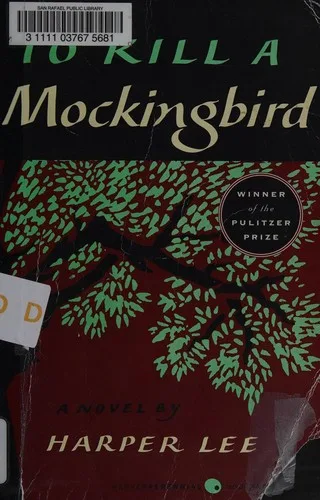
To Kill a Mockingbird
1 reviews
View →

Affiliate link — we may earn a commission at no extra cost to you.
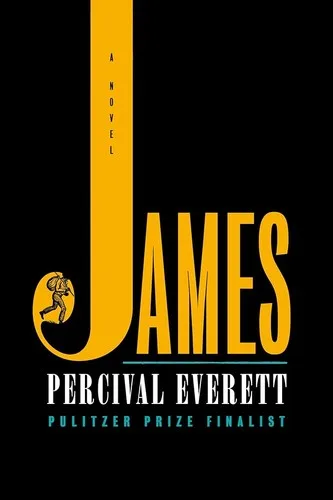
You were taught Huckleberry Finn; you were never taught Jim. James retells Twain's river story from the enslaved man's point of view, and its central device detonates on the first page: the slave dialect white America knew is a performance, a survival language the enslaved switch off the moment no white person is listening, and underneath it James is literate, philosophical, and furious. The novel won the Pulitzer Prize and the National Book Award, and Dominic Hoffman's narration is built directly on that device, which makes the audiobook arguably the sharpest way to experience the year's most acclaimed novel.
The river journey survives, the raft, the flood, the con men, but reframed through what Huck could never see: the constant, calculated code-switching, the ambient terror under every comic episode, the moral ledger of a man deciding what survival is worth. Everett's James debates Locke and Voltaire in his head while performing ignorance aloud, and the gap between those registers is where the book lives, comic, harrowing, and quietly enraged at once. Late revelations reroute the Twain story entirely, and the final act trades irony for something harder. It is that rare prize-winner that is also simply a propulsive, readable adventure.
The novel's whole architecture is two voices in one man, and Hoffman, an Audie-winning veteran, performs the switch with surgical timing: the drawled performance-dialect snapping into James's precise interior baritone mid-scene, sometimes mid-sentence, so the listener physically hears the mask go on and off. Print shows you the device; the audio makes you feel its cost. His Huck is affectionate without caricature, and the comic set pieces earn real laughs before the book takes them away. This is one of those titles where we would point even devoted print readers to the recording.
Well narrated? Hoffman's two-registers-one-man performance IS the novel's thesis, made audible. The Pulitzer winner that reads like an adventure and lands like a verdict. Essential, and essential specifically in audio.
To Kill a Mockingbird, American classics on race a century apart, each with a landmark narration.
Dominic Hoffman narrates the Random House Audio edition, and his handling of the novel's central code-switching device is widely cited as definitive, you hear the survival dialect switch on and off in real time.
No, the novel stands fully alone. Twain readers will catch reversals and echoes, but Everett rebuilds everything a new reader needs. Several major events diverge from the original entirely.
It confronts slavery's violence directly, without gratuitousness but without flinching. The comic river-adventure surface keeps it propulsive; the weight arrives exactly where the author intends it.
About 7 hours 49 minutes, one of the shortest major prize-winners in recent years, and it moves like a current.
You can hear James free with an Audible trial. (Affiliate link, we may earn a commission at no extra cost to you.)
No approved reviews yet. Be the first to write one.