 🎧
🎧
Fiction
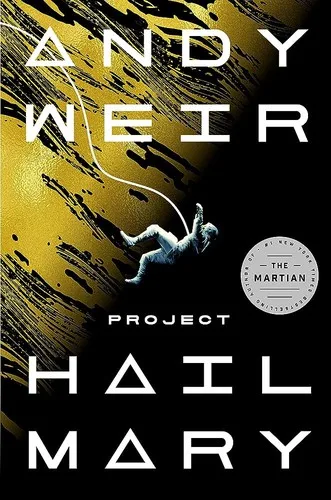
Project Hail Mary
6 reviews
View →
Narration ★5

Affiliate link — we may earn a commission at no extra cost to you.
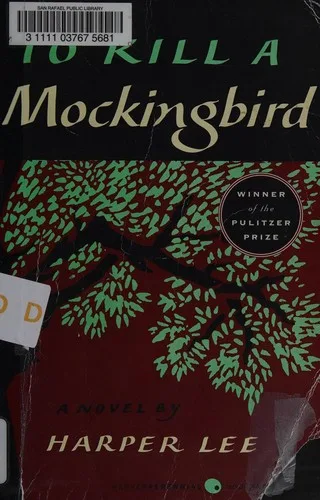
For decades this was the famous novel you could not listen to — Harper Lee resisted digital and audio editions almost to the end of her life. When the audiobook finally arrived, the casting settled the wait: Sissy Spacek, an Alabama-raised Oscar winner, reading the great Alabama novel in the voice it was always meant to have. Her recording is now routinely named among the finest single-narrator performances of a classic.
Maycomb, Alabama, the 1930s. Scout Finch narrates her childhood — summers with her brother Jem and friend Dill, the shut-in neighbor Boo Radley, and the trial at the story's center, in which her father Atticus defends Tom Robinson, a Black man falsely accused by a white woman. The book's enduring power is its double vision: a child's eye recording an adult world of prejudice she only partly understands, and the reader completing the picture over her shoulder.
Scout is a grown woman remembering herself as a child, and Spacek pitches the entire performance inside that remembering — wry, unhurried, porch-lit. Her natural accent does the region without caricature, and she resists the trap lesser narrators fall into with this book: playing the townspeople as villains. Her Bob Ewell is human, which is worse, and correct. The courtroom chapters, nearly a third of the runtime, are as controlled a stretch of narration as exists in the classics catalog — she lets the transcript-like rhythm of testimony build its own dread.
Everyone eventually, but two groups especially: adults who last met the book as homework, for whom Spacek's reading restores the humor school flattened out; and families with teenagers — this is a genuinely shareable listen, with the caveat that it depicts racism and injustice honestly, including period language. It sits naturally beside The Diary of a Young Girl as literature of conscience told through young eyes.
Well narrated? Among the finest classic recordings ever made. The long wait for a Mockingbird audiobook ended with the right voice — warm, Southern, and wise enough to stay out of the story's way.
The Diary of a Young Girl — two young narrators, two acts of witness, one shelf.
Academy Award winner Sissy Spacek narrates the unabridged HarperAudio edition — a performance consistently ranked among the best classic-novel recordings available.
It is taught widely from the early teens, and the child's-eye narration makes it accessible — but it depicts racial injustice frankly and includes period slurs. Many families choose to listen together for exactly that reason.
Harper Lee declined audio and e-book editions for most of her life, relenting only in her final years — which is why a 1960 classic received its definitive recording decades after publication.
You can hear To Kill a Mockingbird free with an Audible trial. (Affiliate link — we may earn a commission at no extra cost to you.)
The definitive way to experience Harper Lee's masterpiece. Spacek's narration is pure magic.