 🎧
🎧
History
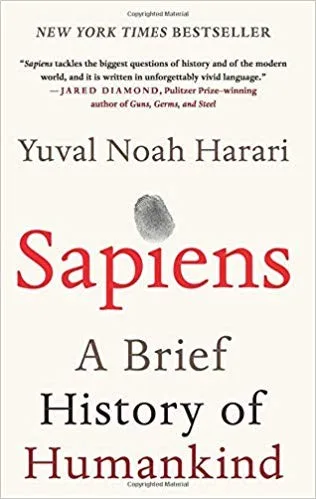
Sapiens: A Brief History of Humankind
4 reviews
View →

Affiliate link — we may earn a commission at no extra cost to you.
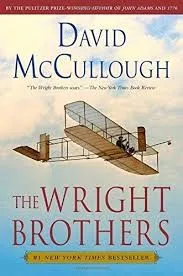
Two bicycle mechanics from Dayton, Ohio, with no college degrees, no funding, and no institutional permission, solved the problem that had defeated the best-funded scientists on Earth — and America's most decorated popular historian tells their story in his own voice. McCullough's self-narrated Wright Brothers is history as fireside craft: ten hours that restore genuine suspense to an ending everyone knows.
The familiar postcard — Kitty Hawk, 1903, twelve seconds — turns out to be the midpoint, not the climax. McCullough's telling runs from the brothers' bookish Dayton childhood through the methodical years of glider trials on the Outer Banks (the mosquitoes get their own unforgettable passage), past the first flight into the stranger second act: years of being ignored and disbelieved at home, the triumphant demonstrations at Le Mans that made Wilbur the most famous man in France, Orville's near-fatal crash, and sister Katharine — the book's quiet third protagonist — holding the enterprise together. The research leans on the family's letters and diaries, and the brothers emerge as actual people: stubborn, funny, occasionally insufferable, relentlessly systematic.
That voice — the one a generation knows from Ken Burns's The Civil War — reading his own sentences is the complete product: unhurried, warm, grandfatherly in the best sense, with a storyteller's instinct for when to let a line from Wilbur's letters simply sit. He was in his eighties when he recorded it, and the slight patina on the voice suits material about patience and craft. This is among the gentlest, most restorative listens on our shelf — history with no villain except gravity.
History listeners, obviously, but the surprise audience is builders — engineers, founders, tinkerers — who will recognize in the brothers' test-fail-adjust loop the most disciplined product-development story ever lived. It pairs beautifully with Steve Jobs: two studies in obsessive American making, a century apart, and with A Short History of Nearly Everything for the same how-we-figured-it-out pleasure.
Well narrated? A national-treasure voice reading a national-treasure story. Warm, meticulous, quietly thrilling — the easiest ten hours of history in the catalog.
Steve Jobs — garage-to-history American invention, told twice, a hundred years apart.
Yes — the unabridged Simon & Schuster Audio edition is read by the author, in the famous voice familiar from decades of documentary narration. It was one of his final self-narrated works.
Pleasantly little. McCullough explains wing-warping and control just enough to make the achievement legible; the book's center of gravity is character, letters, and the texture of the era.
Very — it is clean, inspiring, and frequently shared across generations; strong for teens interested in invention or history.
You can hear The Wright Brothers free with an Audible trial. (Affiliate link — we may earn a commission at no extra cost to you.)
No approved reviews yet. Be the first to write one.