 🎧
🎧
Finance
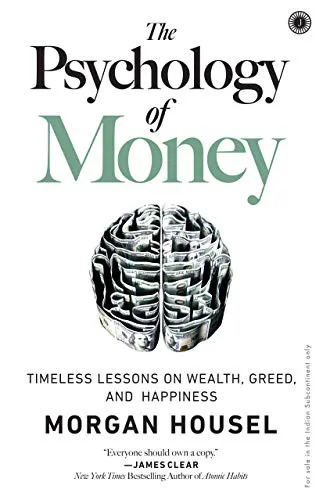
The Psychology of Money
5 reviews
View →

Affiliate link — we may earn a commission at no extra cost to you.
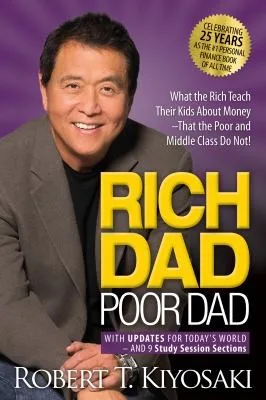
The best-selling personal finance book of all time is also one of the most argued-about, and any honest review has to hold both facts at once. Here is what the audiobook actually delivers, what it teaches well, and where you should keep your guard up.
Kiyosaki structures the book around two father figures: his own highly educated but financially struggling "poor dad," and his friend's entrepreneurial "rich dad" who taught him how money actually moves. The core lessons have real value: the difference between assets and liabilities, why the middle class buys liabilities believing they are assets, why financial education is absent from schooling, and why fear and desire keep people trapped in the pay-check cycle. As a mindset reset — especially for a listener who has never questioned the earn-spend-borrow script — the book still lands hard almost three decades after publication.
Wheeler gives a warm, conversational reading that suits the book's storytelling structure. The two-dads dialogue could easily become cartoonish, but Wheeler distinguishes the voices with subtle weight shifts rather than caricature. His pacing is unhurried in a way that matches Kiyosaki's repetitive, parable-driven style — though listeners at 1.25x speed lose nothing.
Two things every listener deserves to know. First, the book is high on mindset and thin on mechanics: you will finish motivated but without a concrete playbook, because specifics were never the point (and, less charitably, because the specifics sell separately in seminars). Second, some of Kiyosaki's definitions — most famously that your house is not an asset — are useful provocations rather than accounting truths. Take the reframing, verify the arithmetic elsewhere.
Ideal for financial beginners who need the mental shift before the mechanics, young earners forming their first money habits, and anyone who grew up without financial conversations at home. Experienced investors will find it repetitive; for the mechanics the book skips, follow it with The Psychology of Money.
This book changes how you think about money without telling you what to do next. For the behavioural mechanics it skips, follow it with The Psychology of Money — Housel supplies the evidence and judgment where Kiyosaki supplies the provocation, and together they make a genuinely complete starting curriculum.
Well narrated? Comfortably — Wheeler's storytelling warmth is the right vehicle for a parable-heavy book. The content is a genuinely useful mindset primer wrapped in salesmanship; listen for the reframing, keep your skepticism for the specifics, and treat it as chapter one of your financial education rather than the whole course.
A practical suggestion from our own listen: keep a running note (voice memo works fine while driving) of every claim that surprises you, and audit the list afterward against a neutral source. This book works best as a provocation engine — its value is in the questions it forces, not the answers it supplies, and active listening converts its salesmanship into genuine education. The chapters on the cash-flow patterns of the poor, middle class, and rich are the durable core; the chapters touting specific tactics are where your skepticism should peak. Listeners who take this two-track approach — absorb the reframe, quarantine the tactics — consistently report the book aging far better in their memory than for those who swallowed or rejected it whole.
As a mindset primer, yes — the asset-versus-liability reframe remains genuinely useful for beginners who have never questioned the earn-spend cycle. As literal investment guidance it has aged poorly in places; take the reframing, verify the specifics elsewhere before acting on anything.
No, the widely available edition is narrated by Tim Wheeler, whose warm, unhurried storytelling suits the book's parable-driven structure far better than a lecture-style read would.
Only a few simple cash-flow diagrams, which the narration describes clearly enough to picture while driving. This is one of the rare finance books we would recommend in audio first.
If this sounds like your next listen, you can hear Rich Dad Poor Dad free with an Audible trial — new members get their first title included. (Affiliate link — we may earn a commission at no extra cost to you.)
No approved reviews yet. Be the first to write one.