 🎧
🎧
Psychology
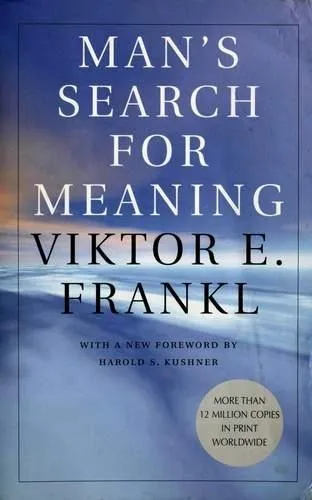
Man's Search for Meaning
3 reviews
View →

Affiliate link — we may earn a commission at no extra cost to you.
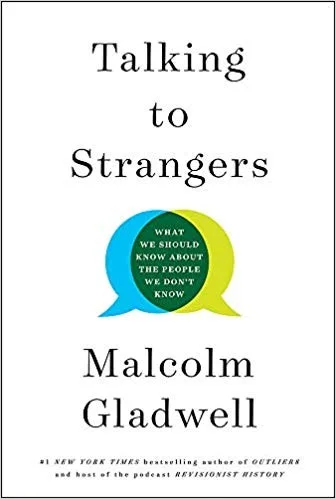
Gladwell made a production choice with this audiobook that still sparks debate: the audio edition is not a standard author narration but an enhanced experience that incorporates actual recordings, real police body-cam audio, genuine interview footage with researchers and subjects, news clips from the events the book covers. Whether this elevates the material or aestheticises genuine tragedies is something you should decide before you press play; it is not a neutral choice, and we want to be honest about it.
The book examines why we are systematically bad at reading strangers, why defaulting to trust is a biological imperative that occasionally destroys us, why facial expressions are not the universal language we believe them to be, and what happens when we treat every interaction with a stranger as a problem to be solved rather than a person to be met. The case studies, Amanda Knox, Bernie Madoff, Sylvia Plath, the Sandusky scandal, Sandra Bland, are chosen to reveal the same failure modes from different angles. The conclusion is not cynical: Gladwell does not argue we should trust less, but that we should understand better why we misread.
Where the standard Gladwell release gives you his voice alone, this one layers in other sounds: the recorded voice of a researcher, the crack in a source's voice during interview, ambient sound under key passages. The effect, on the Sandra Bland chapter especially, is genuinely arresting, you are hearing the actual events, not a recounting of them. The ethical question is real: this is a book partly about how real people's tragedies become our entertainment, and the immersive production makes you a more engaged consumer of exactly that. We think Gladwell earns the approach by naming it in the text. Others disagree.
Well narrated? The most technically sophisticated audiobook we have reviewed, with a content warning about its methods. If the ethical question does not stop you, this is Gladwell at his most ambitious, in a production that rewards headphones and attention.
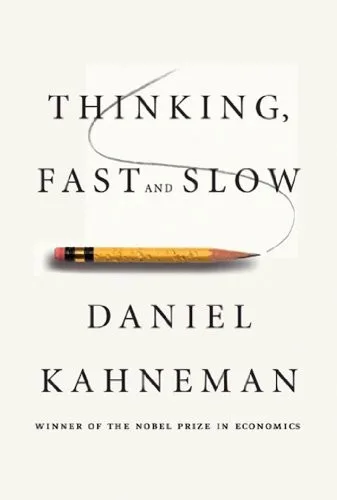
Outliers, Gladwell's more straightforward narrative approach as a contrast, or Thinking, Fast and Slow for the rigorous science underneath the same human-error territory.
Substantially, the audiobook includes actual recordings of the events the book describes: police body-cam footage, interview clips, news audio. This is an enhanced production unique to the audio format, definitely different from reading the print edition.
Yes, Gladwell narrates the main text himself, and the production incorporates real recordings of the subjects and events discussed. It is a hybrid format, not a standard author reading.
If the enhanced production format does not concern you, yes, it is Gladwell's most ambitious and technically innovative work. The Sandra Bland chapter, in particular, is the most affecting single chapter in any of his audiobooks.
8 hours 42 minutes, and unlike some Gladwell titles that compress well at 1.5x, this one is better at regular speed to catch the recorded audio elements.
You can hear Talking to Strangers free with an Audible trial. (Affiliate link, we may earn a commission at no extra cost to you.)
No approved reviews yet. Be the first to write one.