 🎧
🎧
Psychology
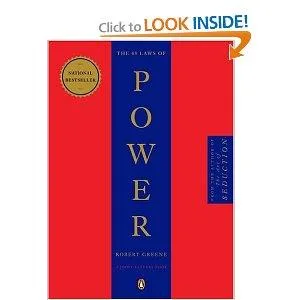
The 48 Laws of Power
0 reviews
View →

Affiliate link — we may earn a commission at no extra cost to you.
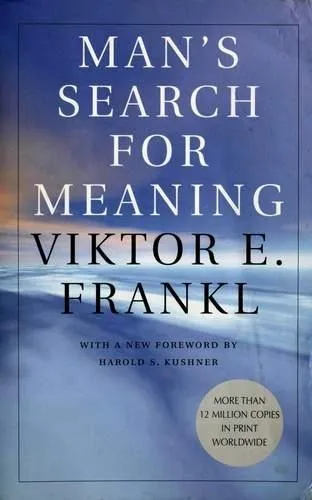
Some books demand a narrator who knows when to get out of the way. This is the supreme example: a Holocaust survivor's account of finding meaning inside Auschwitz, followed by the psychology he built from it. The audiobook succeeds or fails entirely on restraint, and Simon Vance understood the assignment.
Two works in one. The first half is Frankl's concentration camp memoir — not a chronicle of atrocities but a psychiatrist's clinical, almost detached observation of what happens to the human mind when everything else is taken. The second half introduces logotherapy, his school of psychology built on a single conviction: the primary human drive is not pleasure or power but meaning, and meaning can be found even in unavoidable suffering. The book's most quoted idea — that everything can be taken from a man but the freedom to choose his attitude — reads very differently once you know the ground it was earned on.
Vance is one of the most decorated narrators alive, and this performance shows why the awards keep coming. He reads the camp sections with a level, unsentimental steadiness that honours Frankl's own clinical tone — no tremor for effect, no manufactured gravitas, just precise, humane delivery that lets the material carry its own weight. In the second half he shifts almost imperceptibly into a warmer, lecture-hall register that suits the psychological content. It is a masterclass in serving the text.
At under five hours this is a single weekend of commutes, but do not mistake short for light. The first half asks something of you emotionally, and many listeners report needing to pause between chapters. The second half is denser than the first — logotherapy's concepts arrive quickly — and rewards a second listen. Content note: the camp sections describe suffering and death honestly, though never gratuitously.
Anyone in a season of difficulty looking for something sturdier than motivation; readers of Stoicism who want its twentieth-century descendant; and every listener who has worked through lighter self-help and wants the book those authors quietly borrow from. This is the deep end of our Psychology shelf.
Frankl argues meaning can be chosen in any circumstance; Cant Hurt Me is the same conviction expressed in a radically different register — where Frankl is clinical and philosophical, Goggins is visceral and profane, yet the core claim about choosing your response to suffering is recognisably shared. An unexpected but revealing double bill.
Well narrated? Flawlessly — Vance's restraint is exactly what this text requires. One of the few books we would call essential in any format, and the audio edition is a worthy way to meet it. Expect it to stay with you.
Nearly eighty years after publication, this remains one of the most gifted, quoted, and re-read books in existence, and the reason is structural: Frankl earned his philosophy in the one place where no comfortable theory could survive. When he writes that everything can be taken from a person except the freedom to choose one's response, the sentence carries the weight of where it was written. That is why the book outlasts every motivational paraphrase of it — the paraphrases borrow the conclusion without the evidence. In audio, Simon Vance's restraint honours that weight; he reads the camp chapters as testimony rather than drama, and the effect is more powerful for it. Many listeners return to this recording annually, the way others reread a sacred text — four hours that recalibrate what a hard day actually is.
It is heavy, but almost no listener describes it as depressing — the entire argument is about finding meaning inside suffering, and most people finish it feeling steadier, not darker. The camp descriptions are unflinching but never gratuitous.
The first part is Frankl's concentration camp memoir; the second explains logotherapy, the school of psychology he built from those observations. The memoir is universal; the second half is more clinical, and it is fine to treat it as an extended appendix.
Under five hours — one of the shortest titles we cover, and pound for pound one of the most impactful. Simon Vance's measured narration makes it comfortably finishable in two or three sittings.
If this sounds like your next listen, you can hear Man's Search for Meaning free with an Audible trial — new members get their first title included. (Affiliate link — we may earn a commission at no extra cost to you.)
Worth every minute.
The second half is life-changing. One of the most important audiobooks ever.
Short but profoundly moving