 🎧
🎧
Self-Help
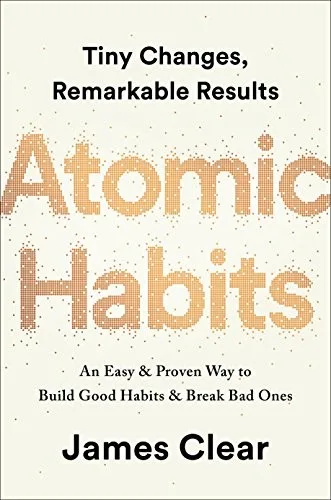
Atomic Habits
4 reviews
View →


Affiliate link — we may earn a commission at no extra cost to you.
Jay Shetty spent three years as a monk in an ashram in India before becoming one of the most-followed wellness communicators on the planet. Think Like a Monk is the book that bridges those two halves of his life, and in audio it arrives with an advantage that print cannot replicate: Shetty's own voice, which has been persuading millions of podcast listeners for years, doing what it was built for.
The content draws heavily on Vedic philosophy and Sanskrit concepts, translated into Western self-help vocabulary: identity versus ego, purpose versus passion, the difference between what you think you want and what you actually need. The chapter structure is unusually clean, each section examines one mental pattern, proposes a monk-derived reframe, and offers a practice. The practices are genuinely specific rather than vague: the daily chipping-away exercise, the spot-stop-swap technique for negative thought patterns, the service-as-purpose framework. There is real structural thinking behind it.
He is a natural. Eight years of spoken-word content, the viral videos, the podcast, the keynotes, have produced a narrator with unusual control over pacing, warmth, and the ability to create intimacy at scale. He reads the book the way he would deliver a live talk: conversational at the conceptual level, more deliberate at the practical, with the authentic energy of someone genuinely evangelical about the material. The self-narration is not a gimmick here; a hired narrator would drain the specificity from the monk anecdotes, which only work because they feel like personal testimony.
Listeners open to Eastern-influenced wellness philosophy, and those burned out on Western hustle culture, will find this one of the most practical spirituality books in audio. The content overlaps intentionally with The Power of Now, both are ultimately about learning to live in the present, but Shetty's approach is more structured and less mystical, which makes it the better starting point for secular listeners. Skip it if self-help vocabulary activates your skepticism, because the vocabulary is constant.
Well narrated? Yes, Shetty's broadcast-trained voice delivers practiced wisdom with genuine conviction. A structured, accessible bridge between ancient philosophy and modern life, best heard in the author's own voice.
The Power of Now, the deeper-end version of the same pool. Listen to Think Like a Monk first; Power of Now second.
Yes, Shetty reads the entire unabridged audiobook himself, and his podcast-honed delivery is widely considered the main reason to choose audio over print for this title.
It is rooted in Vedic philosophy and draws on Hindu and Buddhist traditions, but the application is secular and universal. Shetty explicitly frames the practices as mental tools rather than spiritual obligations; no religious commitment is required or assumed.
The structure is more specific than most. Each chapter identifies a concrete mental pattern, offers a named technique for changing it, and gives a practical exercise. Compared to self-help books that repeat one idea at length, this one delivers more distinct tools per hour.
About 10 hours 54 minutes. Long enough to cover the full framework in depth, and structured so individual chapters can be revisited for the practical exercises.
You can hear Think Like a Monk free with an Audible trial. (Affiliate link, we may earn a commission at no extra cost to you.)
No approved reviews yet. Be the first to write one.