 🎧
🎧
Psychology
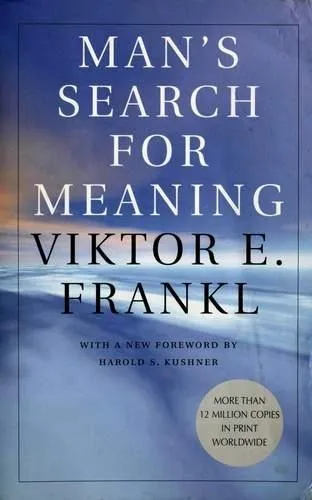
Man's Search for Meaning
3 reviews
View →

Affiliate link — we may earn a commission at no extra cost to you.
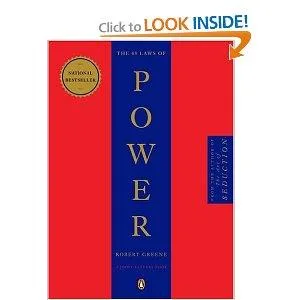
Twenty-three hours of Machiavellian strategy is either a masterclass or an endurance test depending on how you approach it, and the audio format changes the calculation in ways worth understanding before you commit a credit to one of the most controversial books on our shelf.
Greene distills centuries of court intrigue, war, and con artistry into 48 laws — never outshine the master, say less than necessary, crush your enemy totally — each illustrated with historical episodes from Talleyrand to P.T. Barnum. Read straight, it is amoral tactical advice; read carefully, it is equally a field guide to recognising when these laws are being used on you. The book deliberately refuses to tell you which reading it intends, and that ambiguity is a large part of why it has sold millions and been banned in several prisons.
Poe reads with a measured, faintly conspiratorial gravity that fits the material — the tone of someone sharing dangerous information rather than lecturing. His handling of the historical vignettes is the highlight: he gives the anecdotes narrative momentum, which matters enormously across a 23-hour runtime. Clarity stays high throughout, and his consistency over such a long recording is professionally impressive.
Here is the honest structural problem: this is a reference book wearing a narrative costume. In print, readers dip in and out, revisit specific laws, and skim the "reversal" sections. In audio, the 48-chapter structure becomes relentless — law, stories, interpretation, reversal, repeat — and somewhere around law twenty the pattern fatigue is real. Our practical suggestion: treat it as a chapter-a-day listen rather than a binge, and keep the print or ebook edition for reference if the material genuinely interests you.
Students of history, strategy, and organisational politics; anyone in a competitive corporate or creative environment who wants to understand the games being played around them. Skip it if amoral framing without ethical guardrails will frustrate you — Greene describes how power works, not how it should.
Greene documents how power operates without moral judgment; for the psychological research underneath many of these laws — why anchoring, framing, and overconfidence work on human minds — Thinking, Fast and Slow is the scientific counterweight, and reading them together turns tactics into understanding.
Well narrated? Yes — Poe's gravitas carries an enormous runtime with remarkable consistency. But this is one of the rare titles where we suggest audio as the companion format rather than the primary one: listen for the stories, keep a text copy for the laws. Budget the 23 hours across a month, not a week.
Print readers of this book face a peculiar problem: Greene's red-ink margin notes, reversals, and historical sidebars fragment the page so aggressively that many readers bounce off the format entirely. The audiobook quietly solves this — Richard Poe reads the material in a single continuous stream, and the laws land with far more narrative momentum than the scrapbook-style print layout allows. This is one of the rare cases where the audio edition is structurally easier to absorb than the book itself. The trade-off is reference use: this is a title people return to for specific laws, and audio is clumsy for that. Our suggestion — listen first for the full sweep, and if the book earns a permanent place in your thinking, add a print copy later purely as a lookup companion.
It describes manipulation more than it prescribes it — Greene writes as a historian of power, not a moral guide. Many listeners use it defensively, to recognise tactics being used on them. How you apply twenty-three hours of ruthlessly amoral case studies is, pointedly, left to you.
Richard Poe narrates the unabridged edition, and his gravelly authority is a large part of its cult status. At just over 23 hours, treat it episodically — each law is a self-contained chapter, which makes it unusually friendly to interrupted listening.
The book is designed so you do not have to. Each law stands alone with its own historical cases and reversals, so dipping in and out — or revisiting individual laws later — works exactly as well as a straight read-through.
If this sounds like your next listen, you can hear The 48 Laws of Power free with an Audible trial — new members get their first title included. (Affiliate link — we may earn a commission at no extra cost to you.)
No approved reviews yet. Be the first to write one.