 🎧
🎧
Psychology
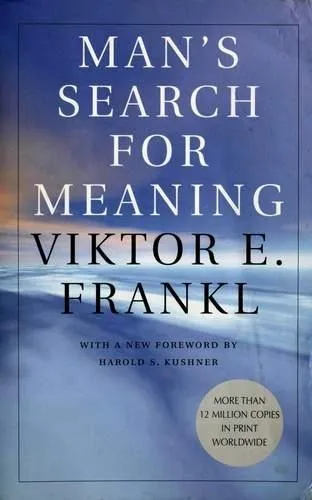
Man's Search for Meaning
3 reviews
View →

Affiliate link — we may earn a commission at no extra cost to you.
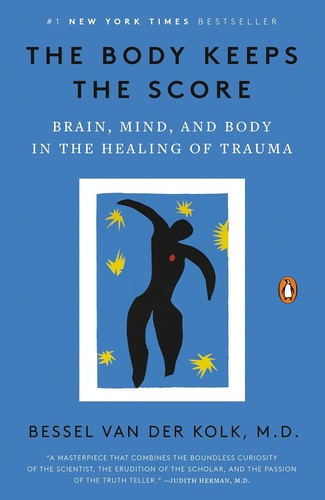
A dense clinical text about trauma spent years as the single most-borrowed nonfiction audiobook in many library systems — a fact that says something about the book, and something about the moment. Van der Kolk's landmark argues that trauma is not a story the mind tells but a state the body holds, and Sean Pratt's steady sixteen-hour narration is a large part of why so many people managed to finish a book this heavy.
Three decades of clinical work compressed into one thesis: traumatic experience reorganizes the brain and nervous system — the smoke-detector amygdala, the offline speech centers, the body stuck in threat-time — which is why talk alone often cannot reach it. The first half builds the science through veterans, abuse survivors, and neuroimaging; the second surveys what actually helps, from EMDR and neurofeedback to yoga, theater, and movement therapies. Some specific treatments remain scientifically debated, and a careful listener should hold the later chapters with the same curiosity-plus-skepticism the author models early on. The core reframe, though — from "what is wrong with you" to "what happened to you" — has permanently changed the field's vocabulary.
Pratt reads with a calm, clinical evenness that turns out to be exactly right: the case histories are harrowing, and a more dramatic delivery would tip them into the unbearable. His steadiness functions as a kind of handrail. Our practical advice, echoed by thousands of listeners: do not binge this book. Take it in chapter-sized doses, in daylight, and skip forward without guilt when a case study lands too close — the argument survives skipping; you should too. Content advisory in full force: child abuse, sexual violence, and combat trauma are discussed throughout, in clinical but explicit terms.
Therapists and students, obviously; but the book's vast audience is people making sense of their own histories, and partners and parents trying to understand someone they love. It pairs naturally with Can't Hurt Me and Educated — two memoirs that read differently once you have this book's framework.
Well narrated? Yes — Pratt's clinical calm is the correct instrument for this material. Heavy, important, and best taken in deliberate doses rather than marathons.
Educated — memoir as the lived case study for everything this book explains.
It contains explicit clinical discussion of abuse and violence, and audio can land harder than print. Most listeners manage well with short sessions and free use of the skip button; anyone in acute crisis may want to wait, or take it with a therapist's support.
Sean Pratt narrates the unabridged Penguin Audio edition — an even, unhurried professional read widely credited with making a demanding text finishable.
The core neuroscience of trauma holds up well; some later-chapter therapies remain debated, and the author is more enthusiastic about a few of them than the evidence base. Take the framework as established and the specific treatments as leads to research further.
You can hear The Body Keeps the Score free with an Audible trial. (Affiliate link — we may earn a commission at no extra cost to you.)
No approved reviews yet. Be the first to write one.