 🎧
🎧
Fiction
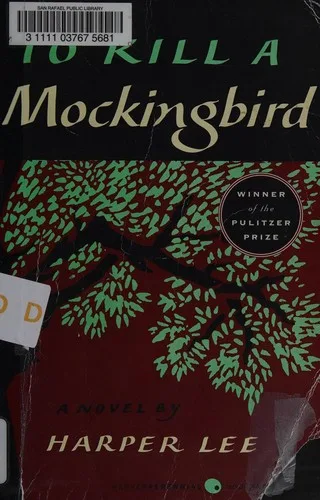
To Kill a Mockingbird
1 reviews
View →

Affiliate link — we may earn a commission at no extra cost to you.
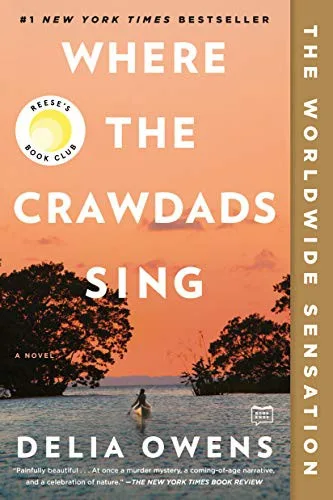
A novel that sold over twenty million copies invites suspicion — surely nothing is that good — and the audiobook adds its own question: can a narrator carry a story that lives and dies on atmosphere? After twelve hours in the North Carolina marsh, our answer is that the narration is not just adequate to the book. It is a genuine upgrade.
Kya Clark, abandoned piece by piece by her family, raises herself in the marshes of the Carolina coast — the "Marsh Girl" the town gossips about and shuns. Owens braids two timelines: Kya's coming-of-age across the 1950s and 60s, and a 1969 murder investigation after a local golden boy is found dead beneath a fire tower. Part naturalist's love letter, part romance, part courtroom drama, the novel runs on its sense of place; the marsh is the real main character, described with the precision of the wildlife scientist Owens spent her career as.
Campbell's performance is widely considered among her best in a decorated career, and we agree. Her soft Carolina cadence wraps the entire narrative in exactly the humid, unhurried atmosphere the prose is reaching for — she does not read the marsh scenes so much as inhabit them. Her Kya ages convincingly from child to woman across the timelines, and her handling of the townspeople gives even minor characters distinct texture without caricature. The nature passages, which a lesser narrator would rush as description, become the meditative heart of the listen.
Honesty requires noting the divide: some readers find the plotting conveniences and the idealised romance strain belief, and the courtroom third act shifts genre in a way not everyone welcomes. These criticisms apply to the book in any format. What the audio changes is the experience of the pacing — passages that read slow on the page work as immersion in Campbell's voice, which is why several print-skeptics report loving the audiobook.
Fans of atmospheric literary fiction, book clubs (the discussion potential is enormous), and nature lovers who want prose that takes the natural world seriously. Content notes: the story includes abandonment, domestic violence, and an assault scene.
If Kyas self-taught survival and ferocious independence were what held you, Educated is the non-fiction echo — a true story of a girl educating herself out of isolation, narrated with the same restraint Campbell brings here. Fiction and memoir, marsh and mountain, the two make a remarkable pairing.
Well narrated? Beautifully — Campbell's voice is the marsh. This is a case where we recommend the audiobook over the print edition even for regular readers: the book's greatest strength is atmosphere, and atmosphere is what great narration multiplies.
What Campbell does across these twelve hours rewards attention. Listen to how she paces the nature passages — fractionally slower than the dialogue scenes, with breath allowed at the imagery — versus the clipped rhythm she gives the town gossips and the procedural beats of the investigation timeline. That modulation is why the marsh sequences feel meditative instead of slow, and why the dual-timeline structure never confuses in audio despite having no visual chapter markers: the two timelines simply sound different. Her Kya is the harder achievement — a character who spends whole chapters alone, whose interiority must carry long wordless stretches, aged from seven to adulthood through timbre alone. It is a masterclass in the narrator's least visible skills, and a good answer to anyone who thinks audiobook narration is just reading aloud.
In our view, yes — the novel's greatest strength is atmosphere, and Cassandra Campbell's soft Carolina cadence multiplies it. Several readers who found the prose slow on the page report loving the same passages as immersion in audio.
The story includes child abandonment, domestic violence, and an assault scene. None of it is gratuitous, but hearing difficult scenes narrated can land harder than reading them — pace yourself accordingly.
No — and if you have seen it, the book is considerably richer, particularly in the nature writing the film could only gesture at. The audiobook and the film are genuinely different experiences of the same story.
If this sounds like your next listen, you can hear Where the Crawdads Sing free with an Audible trial — new members get their first title included. (Affiliate link — we may earn a commission at no extra cost to you.)
No approved reviews yet. Be the first to write one.