 🎧
🎧
Fiction
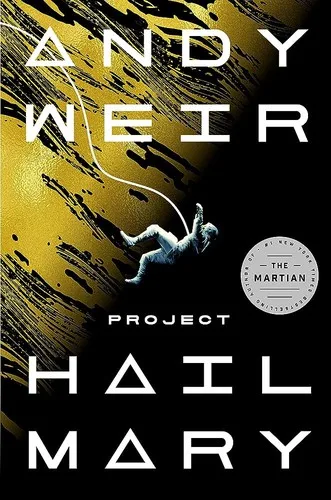
Project Hail Mary
6 reviews
View →
Narration ★5


Affiliate link — we may earn a commission at no extra cost to you.
The best-selling science fiction novel ever written gets one of the format's most unusual productions: a hybrid recording where Scott Brick anchors the narration and a small cast — Orlagh Cassidy, Euan Morton, Simon Vance among them — voices the major characters in many scenes, then hands back to a single voice in others. The inconsistency is the recording's one famous quirk; everything else about it earns the twenty-one hours.
Arrakis: a desert planet that is the universe's only source of the spice melange, which extends life, enables interstellar travel, and makes whoever controls it untouchable. Into this walks young Paul Atreides, whose noble family accepts stewardship of the planet knowing it is a trap. What follows — betrayal, exile among the desert Fremen, sandworms, prophecy, and a terrible ascent — is the template for fifty years of chosen-one epics, written with an ecological and political depth its imitators rarely attempt. Herbert's warning about charismatic saviors, easy to miss in adaptation, is fully audible here.
Brick's gravelly authority suits Herbert's formal register, and the cast moments — Cassidy's Jessica especially — add welcome color to the long council and dinner-table scenes. The famous quirk: character voicing shifts between full-cast scenes and Brick-solo scenes, sometimes chapter to chapter, and first-time listeners should simply know it is coming; the ear adjusts within an hour. One genuine audio advantage over print: Herbert's italicized inner thoughts, which clutter the page, flow naturally in performance, and the invented terminology (Kwisatz Haderach, Bene Gesserit) is easier absorbed by ear with pronunciation supplied.
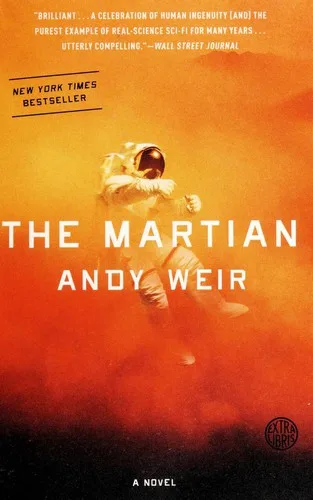
Anyone the films brought to the doorstep — the book contains an interior dimension no adaptation carries; epic-fantasy listeners crossing into SF; and patient readers who like their world-building geological. It is dense, political, and deliberately paced. For a lighter first step into the genre, The Martian or Ready Player One are the on-ramps; Dune is the mountain.
Well narrated? Yes, with one famous asterisk — the shifting cast takes an hour of adjustment. Past that, this is the definitive way through the genre's foundational epic, and the inner monologues arguably work better in audio than on the page.
Sapiens — nonfiction's grand sweep beside fiction's; empires, ecology, and belief systems in both.
The Macmillan production recorded key scenes with a character cast and the remainder with Scott Brick voicing everyone. The alternation is noticeable but consistent, and nearly all listeners report acclimating quickly.
Either works; the films are faithful to events but cannot carry the interior monologue where much of the novel's meaning lives. Listeners arriving from the movies consistently report the book feeling like a deeper cut of a story they only half knew.
The invented vocabulary front-loads the difficulty, but hearing the terms pronounced actually eases it compared to print. The appendices and glossary of the print edition are not needed to follow the story.
You can hear Dune free with an Audible trial. (Affiliate link — we may earn a commission at no extra cost to you.)
No approved reviews yet. Be the first to write one.